

Product Categories
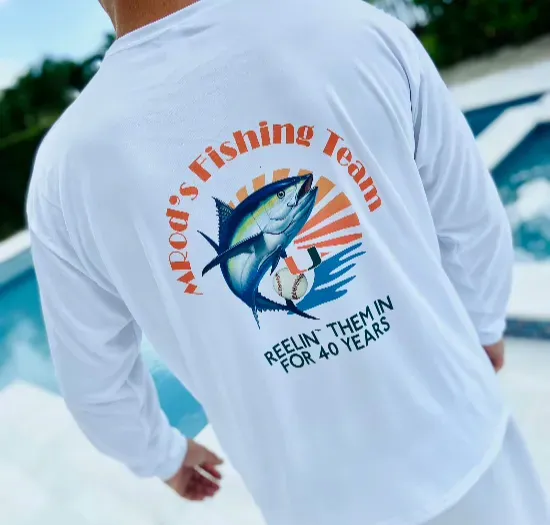
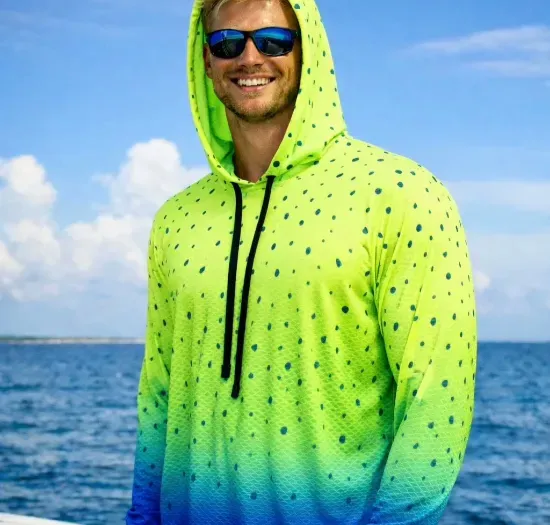
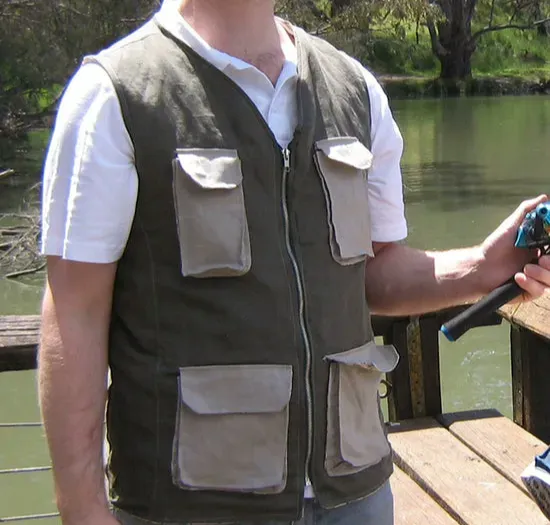
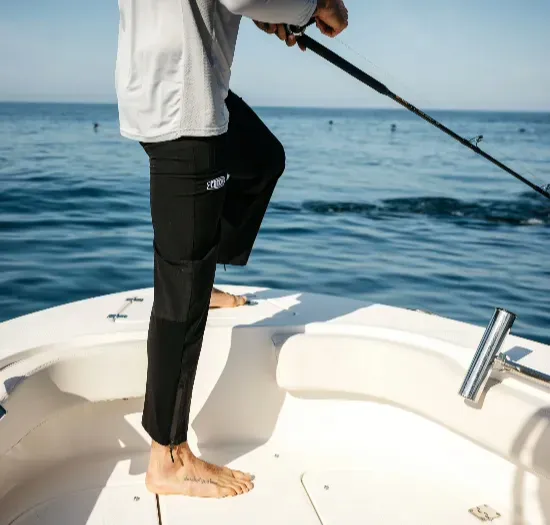
High-Quality Custom Fishing Apparel Styles You Can Choose
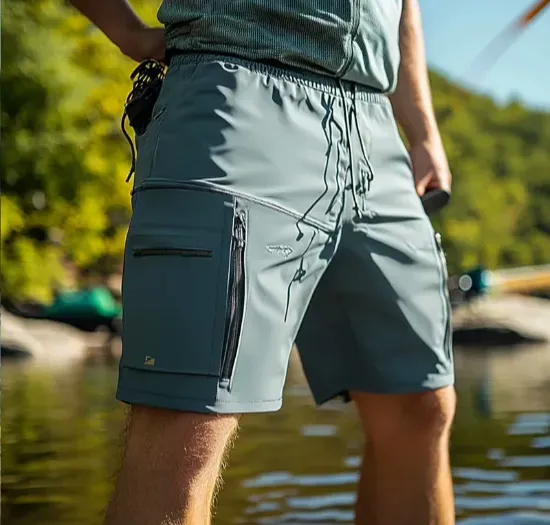
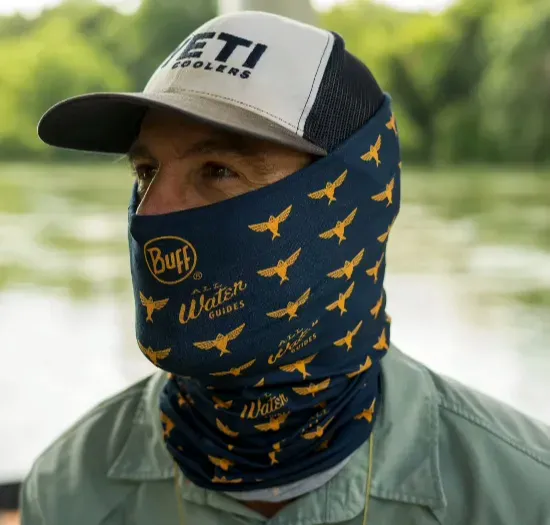
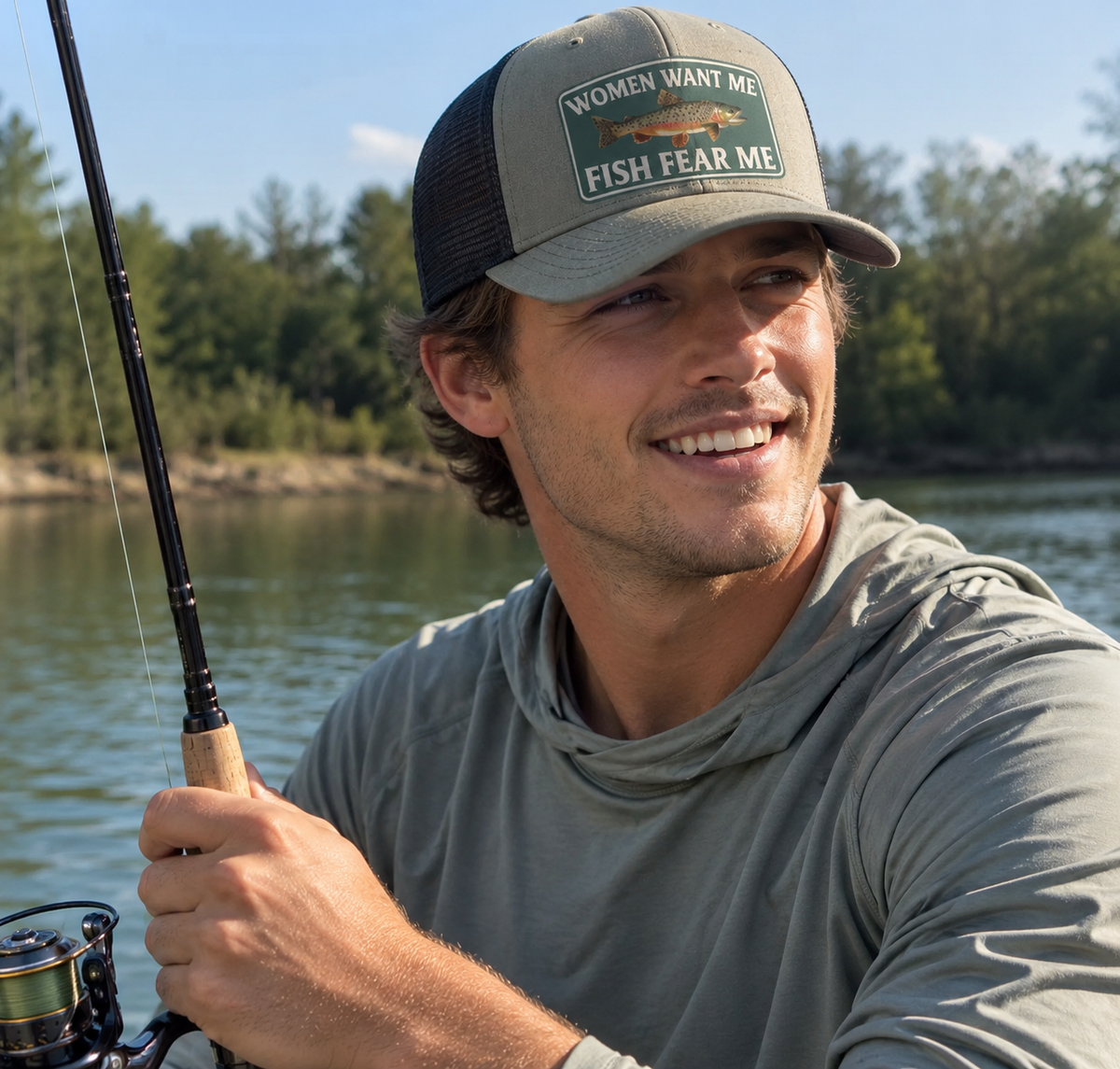
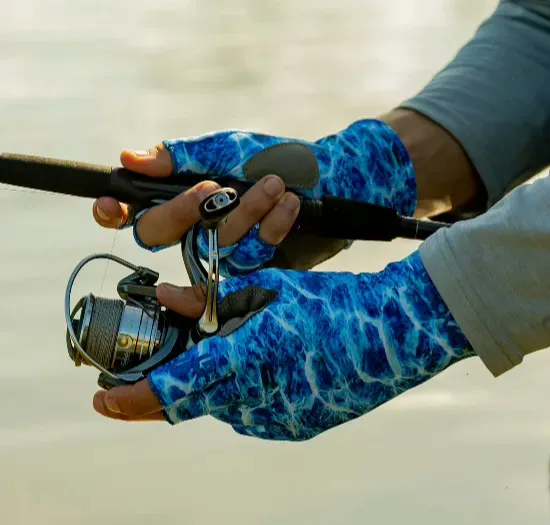
From performance fishing shirts to waterproof waders — every style is manufactured with the same technical rigor. Our competitive pricing and consistent quality have earned long-term partnerships with wholesalers and retailers across the globe.
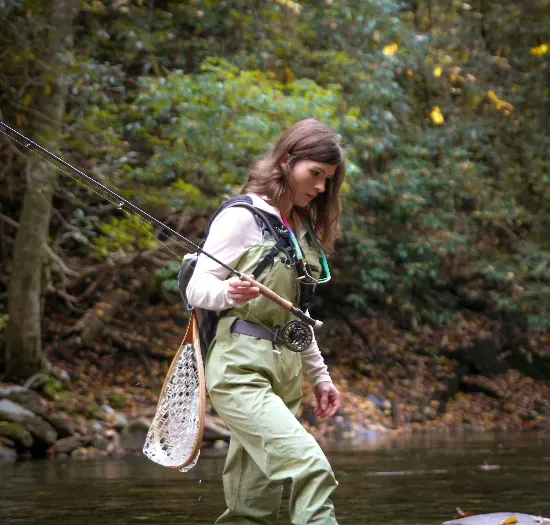

Engineered for the Elements
The 6 Performance Features Every Fishing Garment Must Earn
These aren't optional upgrades. They're the minimum standard every fishing garment must meet before it earns a place in your collection.
By Fishing Environment
Fishing Apparel Purpose-Built for Your Water
Every body of water demands something different from your gear. We build apparel specific to the environment — not a one-fabric-fits-all compromise.
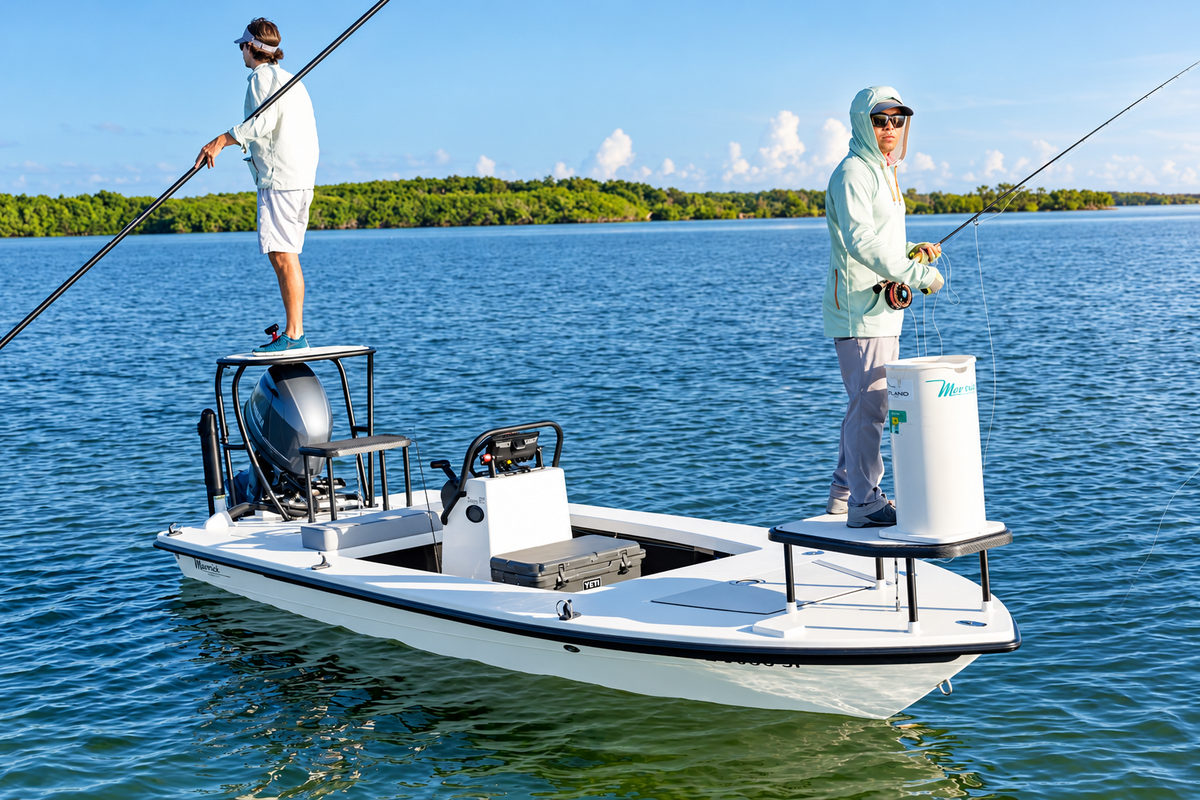
Inshore & Flats
Lightweight, breathable gear built for shallow water stalking in high heat and direct sun. Maximum mobility with minimum weight — because when you're poling across a flat at noon in August, every ounce matters.
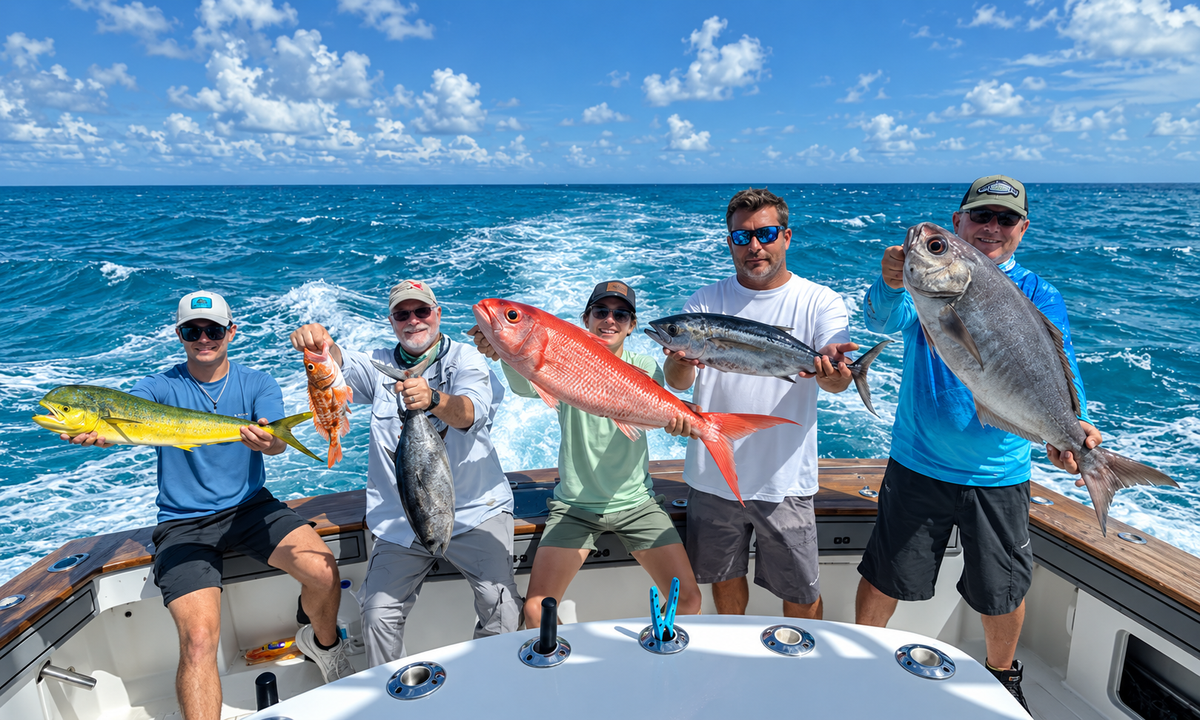
Offshore & Deep Sea
Heavy-duty, water-resistant gear engineered for rough seas, salt spray, and hours of fighting big fish. Every seam is sealed, every pocket is reinforced, and every fabric choice accounts for saltwater corrosion.
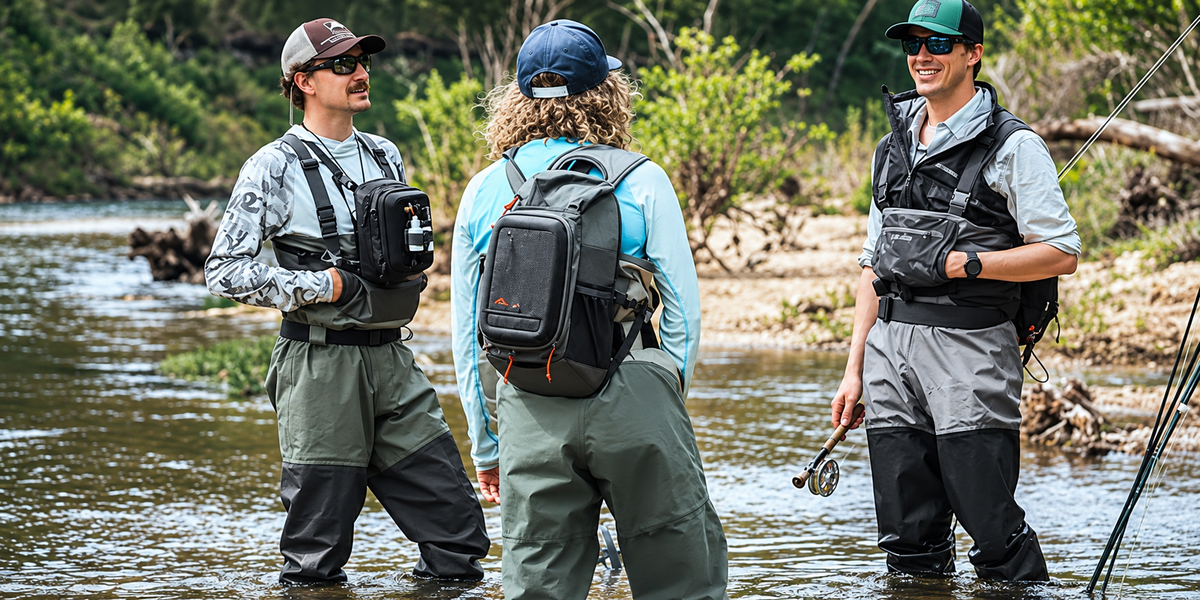
Freshwater & River
Versatile, quick-dry apparel that handles wading, hiking in, and changing weather. Designed for the angler who covers miles of riverbank and needs gear that adapts as fast as the conditions.
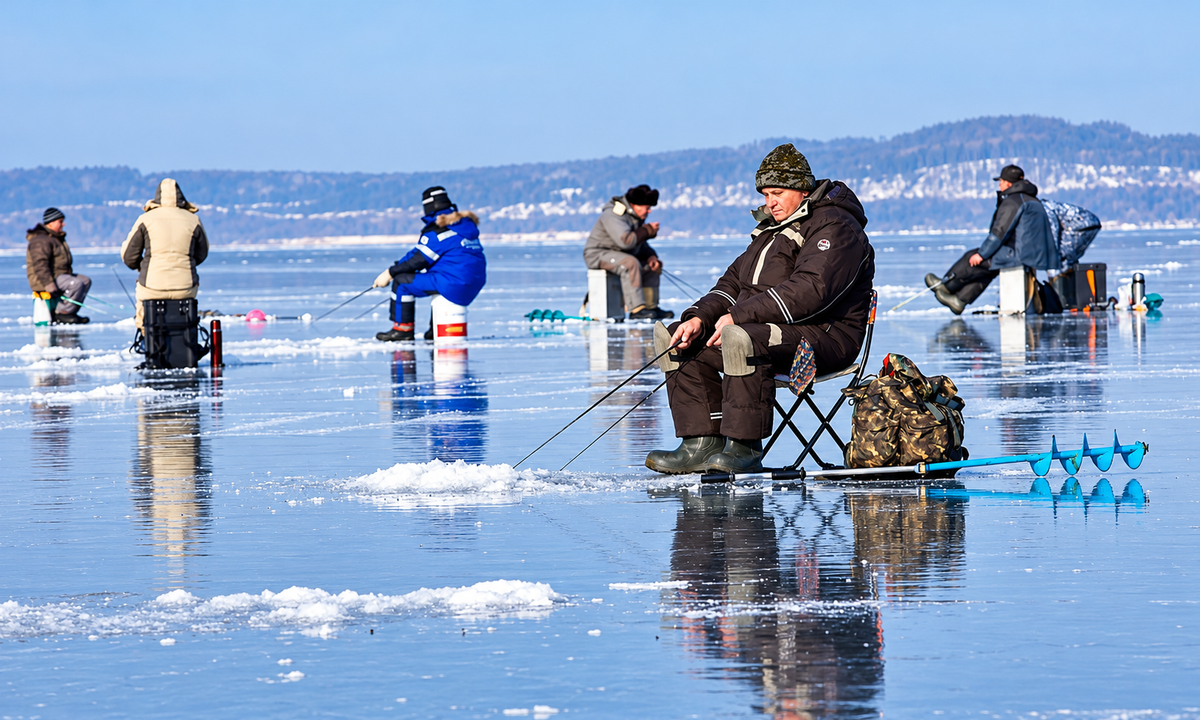
Ice Fishing
Insulated, thermal-protective apparel for sub-zero conditions where exposure isn't discomfort — it's danger. Every layer is engineered for active insulation: trapping heat while releasing moisture so you stay warm and dry.
The Material Advantage
6 Fishing Fabrics Engineered for Conditions That Destroy Ordinary Textiles
Each fabric in our library solves a specific set of water conditions. We'll help you select the right combination for your collection.
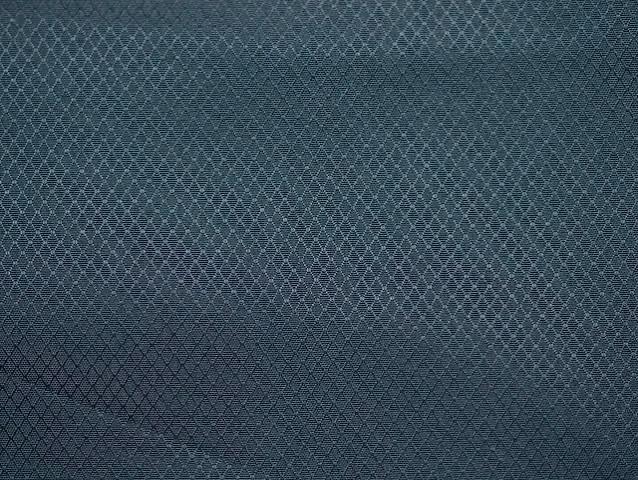
Nylon Ripstop
Tear-Resistant / 140–180 GSM
Reinforced grid pattern stops tears from spreading — a small puncture stays small. Lightweight enough for hot-weather mobility, tough enough for brush, hooks, and gear abrasion. The go-to shell fabric for inshore and freshwater applications.
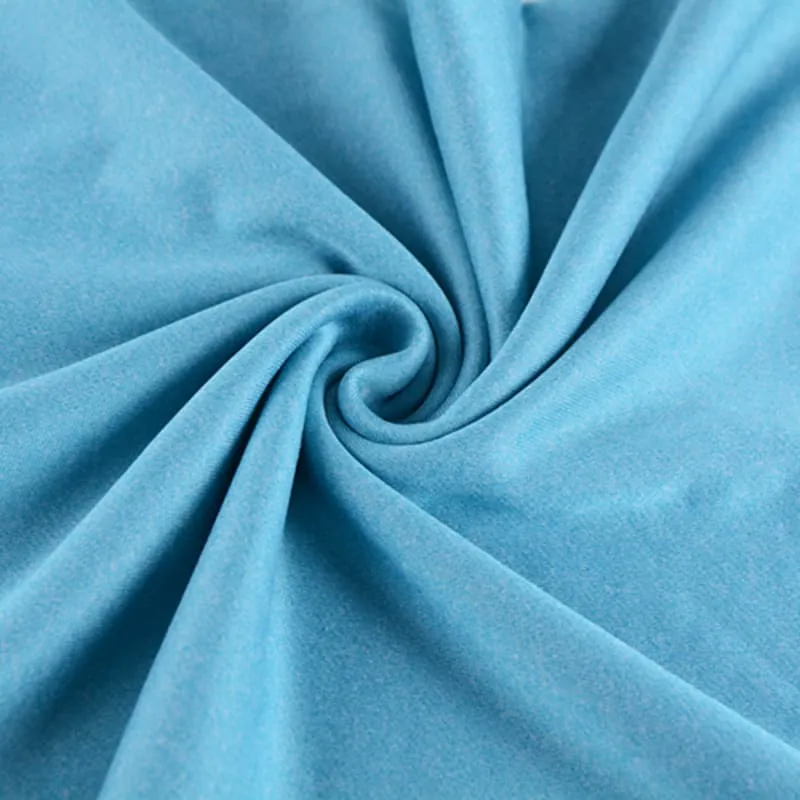
Polyester Microfiber Quick-Dry
Moisture-Wicking / 120–160 GSM
Fine-denier polyester yarns in a precision knit with high surface-area-to-weight ratio for rapid evaporation. The foundation layer for 90% of fishing apparel applications — from lightweight sun shirts to performance hoodies.
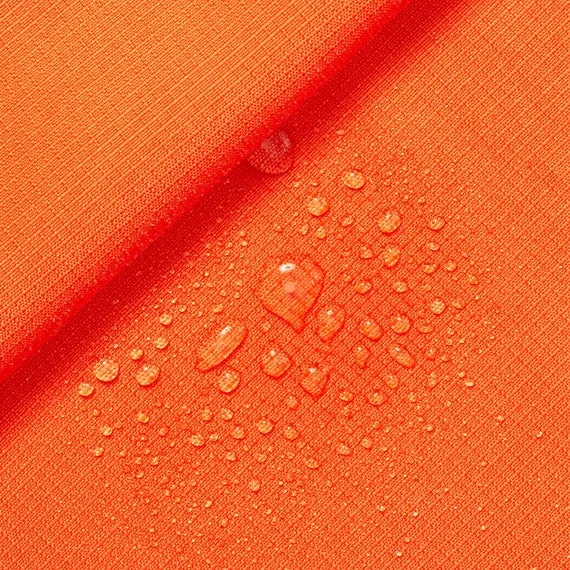
DWR Coated Polyester
Water-Repellent / 160–200 GSM
Polyester base with factory-applied water-repellent finish. Water beads on contact rather than saturating. Available in breathable and waterproof variants for different fishing applications.
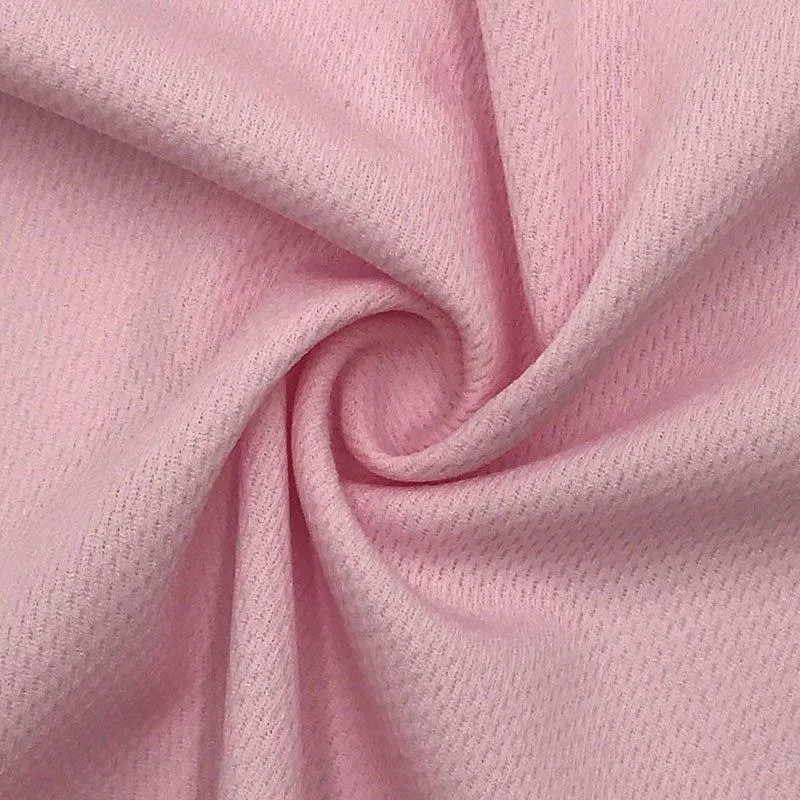
Breathable Performance Mesh
High-Airflow / 100–140 GSM
Open-knit construction with verified CFM ratings for ventilation zones, lining panels, and summer-weight garments. Strategically placed where heat builds up — back panels, side gussets, and underarm zones — without compromising structural integrity.
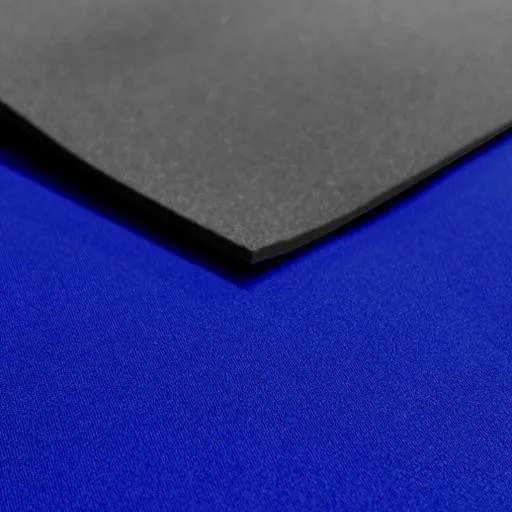
Neoprene / Insulated Composite
Thermal Protection / 200–400 GSM
Closed-cell neoprene and multi-layer thermal composites for cold-water and ice fishing applications. Traps body heat while allowing moisture vapor to escape. Available in 1mm–5mm thicknesses with optional wind-block membrane layers.
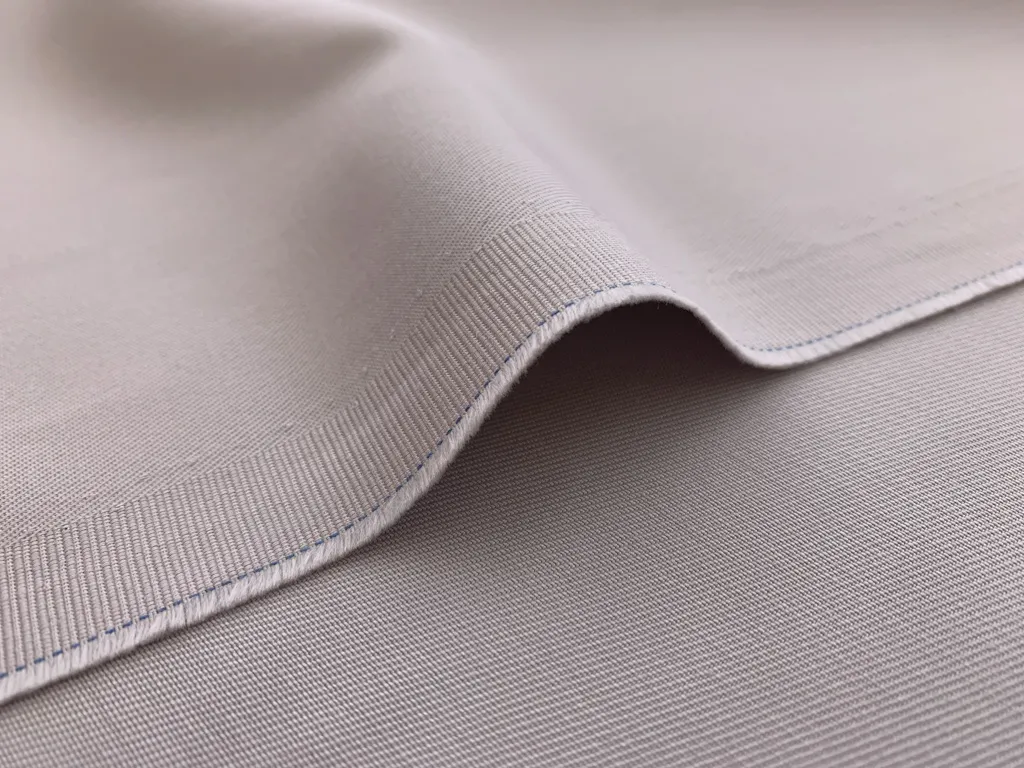
Stretch Woven Twill
4-Way Stretch / 160–220 GSM
Polyester-spandex blend with mechanical stretch for unrestricted casting motion and all-day boat-deck mobility. Dense twill weave resists snags from hooks, pliers, and gear while maintaining a clean, tailored look. The go-to fabric for fishing pants, shorts, and fitted shirts that need to move with the angler.

Your Brand Identity
Every Garment Ships Under Your Label
Your brand, your identity, your customer relationship. Nothing leaves our factory with a LeelineWear mark — every label, tag, zipper pull, and package carries your brand alone. Our fishing apparel manufacturing includes complete private labeling as standard.
- Woven neck labels with your brand mark — precision-dyed to match your logo colors exactly
- Waterproof hang tags that survive humidity, salt air, and handling — your branding stays legible
- Branded zipper pulls and buttons — custom tooling available for orders of 500+ units
- Heat-transfer care and size labels — no scratch, no peel, survives 50+ wash cycles
- Custom packaging: poly bags, boxes, or retail-ready hang-sell packaging with your design
- Blind dropshipping — your brand on the outside, plain packaging on the shipping label
From Water to Warehouse
A Fishing Apparel Manufacturing Process Built Around Validation, Not Assumption
Every stage of our process includes a verification gate specific to fishing conditions — because the water is the only test that matters.
On the Water, On the Record
Trusted by Fishing Brands Worldwide

Mike Treadway & Owner & Head Guide, Treadway Flats Fishing Co., Islamorada FL
★★★★★
We needed fishing shirts that could handle 12-hour guide days in the Florida Keys — sun, salt, sweat, and fish slime. Kunyuan’s UPF hoodies outperformed the $80 retail brands we used to buy. Our clients notice the difference: the fabric is cooler, dries faster, and still looks new after a full season of daily use. We've reordered three times and the consistency across runs is dead-on.

Emily Bergstrom /Founder & Creative Director, Current Line Apparel, Seattle WA
★★★★★
Launching a fishing apparel brand from zero is terrifying — everyone has an opinion about what anglers want. Kunyuan didn't just manufacture our designs, they challenged them. When our initial fabric choice would have pilled after contact with hook-and-loop gear attachments, their fabric team flagged it and proposed a better alternative before we cut a single yard. That's not just manufacturing — that's partnership.

Mia Stevens / CEO & Merchandising Director, Vista Sports Apparel, Austin TX
★★★★★
We sell fishing apparel to charter captains across the Gulf Coast. Our biggest headache used to be inconsistent UPF protection and color fading after repeated saltwater washes. Kunyuan solved both. Their technical fishing shirts hold true UPF 50+ after dozens of saltwater launderings, and the prints don’t bleed even under harsh coastal sunlight. We’ve shipped over 5,000 units to our captain customers, and complaints about fabric quality are near zero. They don’t just follow our specs — they validate them. This is the kind of factory partner you can scale with.

Megan Hale /Brand Owner & Designer, Tide Trail Apparel, Charleston SC
★★★★★
We built a coastal fishing apparel brand for inshore anglers. Our old factory ignored our feedback on uncomfortable seams and stiff fabric. Kunyuan adjusted our pattern to eliminate arm friction during casting and recommended a softer UPF quick-dry material. Our first batch sold out fast. They understand real on-water use, not just patterns.
Jake Carter /Founder & Head of Product, Saltwater Outfit, Tampa FL
★★★★★
Our fishing guides struggled with shirts fading in saltwater. Other factories failed to balance color retention and lightweight fabric. Kunyuan completed saltwater tests in advance and reinforced shoulder seams. Our reorders kept growing. They solve issues before production.
Lily Morgan / Customer & Angler, Coastal Threads, Miami FL
★★★★★
I fish all weekends in Miami heat. Most fishing shirts stretch or feel sticky. Kunyuan’s shirts keep shape, wick sweat fast, and stay comfy under the sun. Consistent quality every batch.
BUILT FOR THE WATER. MADE FOR YOUR BRAND.
Fishing apparel, without the guesswork.
Direct answers to the questions that can make or break a fishing apparel order—from fabric performance and fit to sampling, cost, and delivery.

What should I decide before requesting a fishing apparel quote?
Define the product type, target wearer, intended fishing conditions, quantity, size range, branding, and delivery destination. A reference image or tech pack helps, but a clear brief is enough to start. Without these details, a price is only a rough estimate—not a reliable production commitment.
Which fabric matters most for sun protection and hot-weather fishing?
There is no single best fabric for every trip. Compare verified UPF performance, weight, breathability, drying speed, stretch, hand feel, and abrasion needs. Ask for test documentation for any UPF claim, and evaluate fabric swatches in the conditions your customers actually face.
Can you guarantee a UPF rating just from the fabric name?
No. Fiber content or a supplier description alone does not prove garment-level protection. Construction, color, stretch, wetness, and testing method can affect results. Agree on the required standard and scope, then confirm current test evidence before making product claims.
Why do fishing shirts fit differently after washing or wearing?
Pattern balance, fabric recovery, shrinkage, seam construction, and grading all affect fit. Approve a size set and wash-tested sample—not just a single prototype. Specify measurement points and tolerances so production can be checked against the same standard.
What features actually improve a fishing shirt in use?
Start with the fishing style: sun coverage, vent placement, secure storage, easy-access pockets, movement at the shoulders, and comfort when damp. Extra features add cost and can add failure points. Prioritize features your customer will use, then prototype and test them.
What is the real difference between a sample and a production-ready sample?
An early sample checks concept and silhouette; it may use substitute materials. A production-ready sample should use the confirmed fabric, trims, artwork, labels, construction, and approved measurements. If any of these change after approval, request a revised sample or written change approval.
Why can a low unit price become an expensive order?
Compare like for like: fabric specification, trim quality, print method, testing, packaging, inspection, shipping terms, and defect handling. A quote that leaves these vague can hide later costs. Ask for inclusions, exclusions, and any quantity-based price breaks in writing.
What causes delays—and how can we reduce the risk?
Late artwork or approvals, unavailable materials, repeated specification changes, and unclear shipping plans are common causes. Lock the tech pack, colors, labels, and packaging before bulk production; set approval deadlines; and ask the factory to flag material risks early. Lead times should be confirmed against your actual order.
How do I prevent color, logo, and print surprises in bulk?
Provide usable artwork and color references, specify placement and size, and approve physical strike-offs or pre-production samples under suitable lighting. Digital previews are useful for layout, but they cannot guarantee an exact fabric color or print result.
What should I inspect before approving the shipment?
Check measurements against agreed tolerances, stitching and seam integrity, fabric defects, color consistency, print placement, labels, size assortment, quantity, and packaging. Agree on the inspection method and acceptable defect criteria before production begins, and document any issues with clear photos and order references.
